
“You can’t do the job without the right tools!” my grandfather, a master carpenter, used to repeat over and over as I would go about the boyhood rituals of building a treehouse.
Analyzing the productivity and efficiency of a snowmaking system is also difficult without the right tools. How can the operating expense of snowmaking be contained or reduced without a solid understanding of how the system is performing? How can significant capital improvements be justified without first targeting any major areas of inefficiency that might exist?
Over several years of testing and demonstrating Snomax Snow inducer, the Snomax team has had to be able to respond to the perfectly natural “Don’t snow me; show me!” reaction of the typical, skeptical snowmaker to the claims of Snomax. This meant being able to provide careful measurement of operating parameters. Many of the tools developed are just plain common sense for any snowmaking operation.
Data Log
Most basic, but vitally important to analyzing snowmaking performance, is the use of a snowmaking data log. Snomax has prepared a log sheet on which climate conditions and operating statistics for every snowmaking shift can be recorded. It takes very little time to record temperature, humidity, wind, hours of operation, flows and so on. A review of the logs over a season, or better yet several seasons, provides an excellent overview of system (in)efficiency for the full range of operating conditions. The only investment required to put snowmaking logs to work is the investment of time; and for this investment the payback can be dramatic.
Flow Meter
The next recommendation is for a reliable in-line water flow meter. For ski area applications, two basic designs exist: paddle wheel or magnetic. In either case, water flow through the pipe generates an electrical signal proportional to the velocity of the water. This signal is converted to a readout of the flow rate, generally to within 1-2 percent.
An accurate flow meter gives invaluable data on the performance of the system — far better than relying on such measures as rated capacities of pumps, or amperage draw. It makes it possible to measure water consumption, compare it to energy usage and judge the overall snowmaking efficiency. Also, proper and efficient use of Snomax is dependent on an accurate flow measurement. A $2-5,000 investment is very reasonable considering the benefits gained.
Portable Metering Package
The third tool to consider is a portable metering package that includes flow meters for water — and in many cases, air — along with temperature and pressure gauges. A specially designed weather-proof case for the Snomax unit provides portability, while foam insulation protects against jarring and icing.
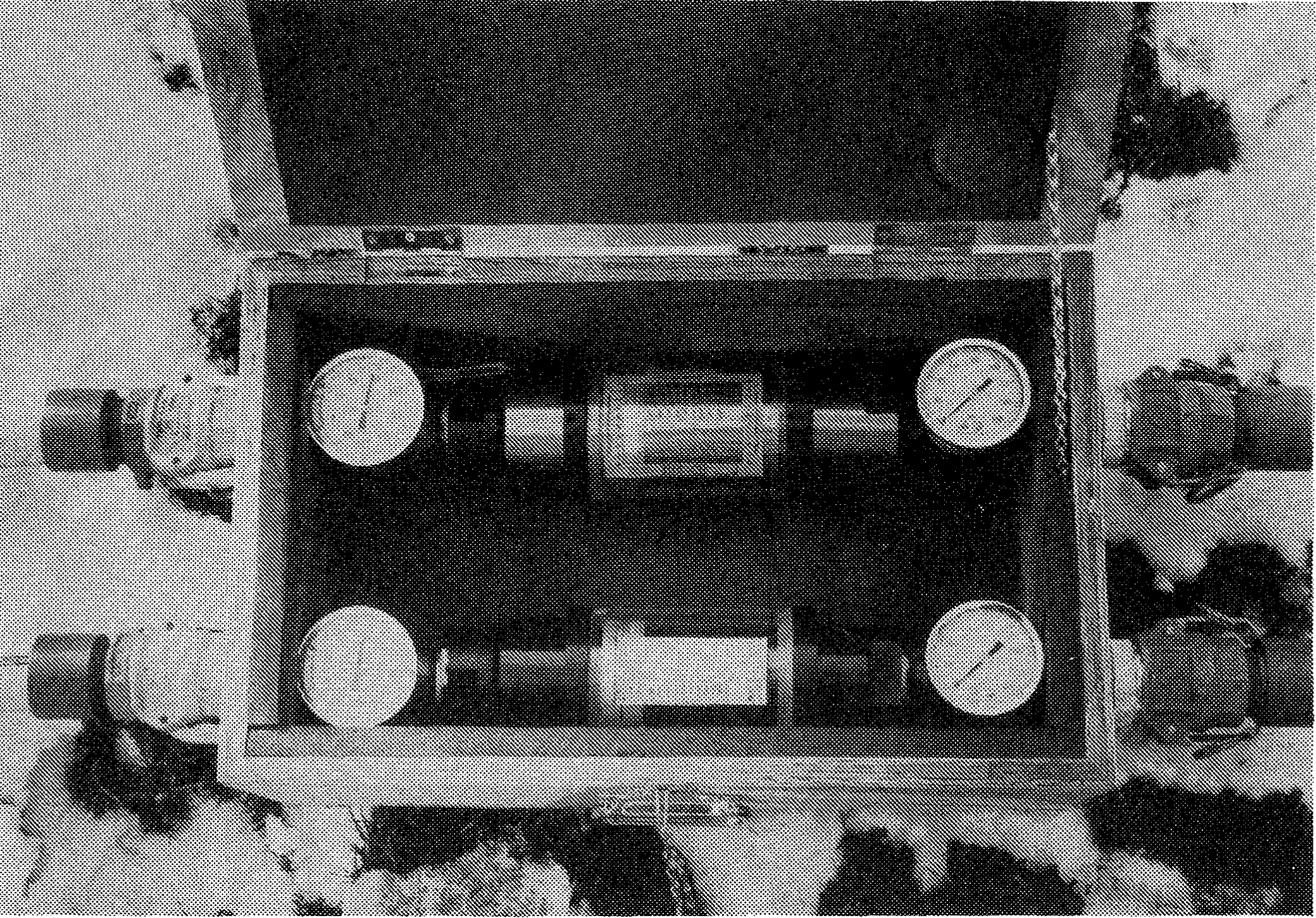
Whenever side-by-side testing is done with two snowguns these meters are used to balance the pressures and flows to the guns, making it possible to get an accurate measure of changes caused by the addition of Snomax. The same equipment can be used by areas wanting to do their own tests in evaluating competing snowguns, checking pressure drops, tracking changes in water and air temperatures and the like.
Ambient Conditions Sensor
The fourth tool, the Snomax Pocket Weather Sensor, came after much experimentation. Snowmaking is an exercise in which temperature and relative humidity set the parameters for success. After trying many different instruments that gave generally poor results, we found a portable unit of extremely high quality that gives rapid readings of temperature and humidity anywhere on the mountain.
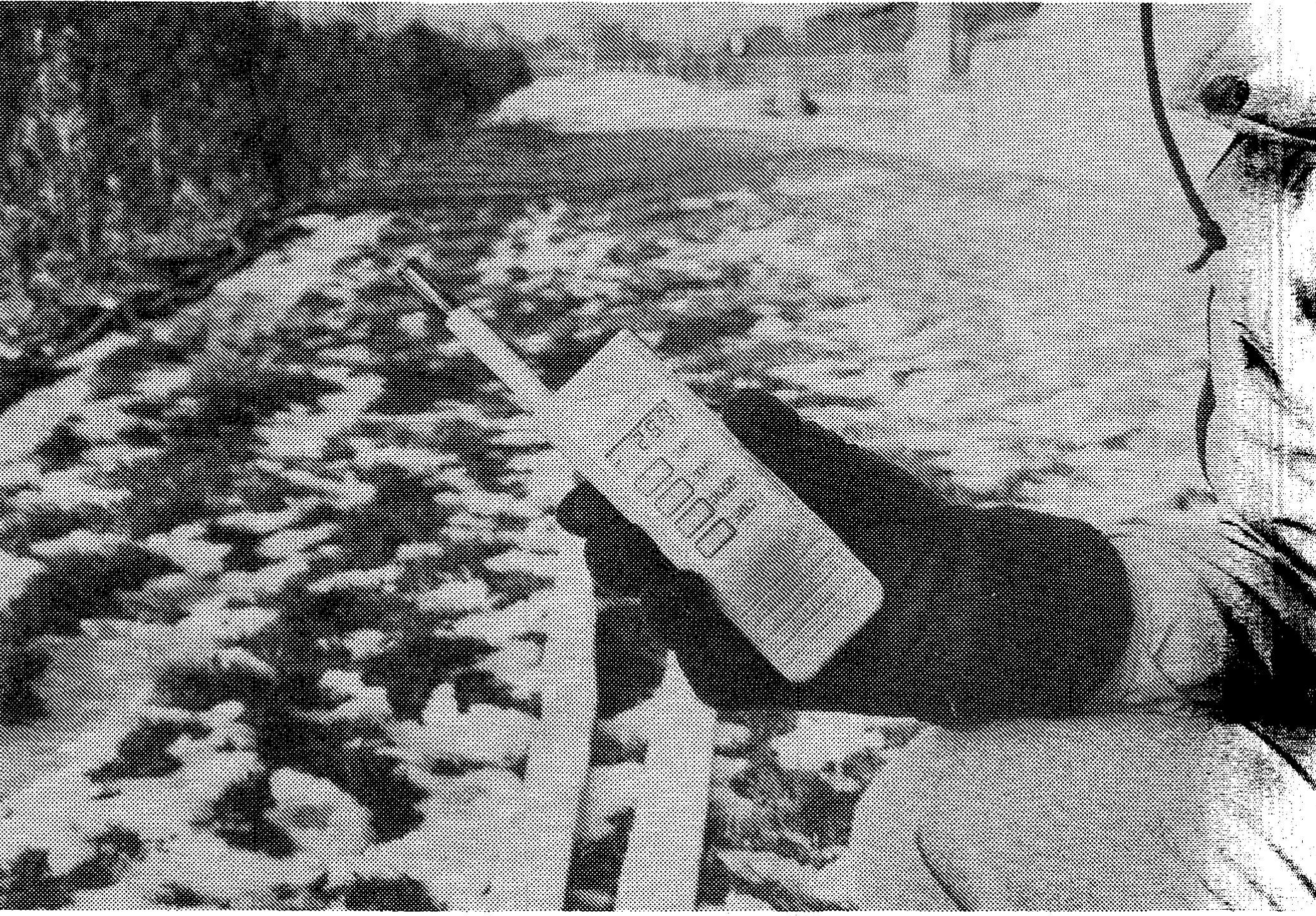
With this instrument, you can make sound decisions on when to start making snow, when to add guns and whether to keep operating through the warm part of the day. There is no reason to be dependent on weather reports from the closest airport, or instruments installed at fixed locations at the area. Information is needed on the microclimates that exist precisely where you want to make snow. This pocket size unit is accurate to ±1 percent, from 0 to 100 percent relative humidity and from minus 4 to 140-deg F.
Snow Quality
Last, but surely not least, is a device for quantifying snow quality. Everyone seems to have his own opinion on what constitutes “good” snow, whether it is for laying down a base layer or finishing a spot subject to heavy traffic. But it has been frustrating trying to actually measure snow quality.
Most people, trying to be scientific in their measurements, have relied on measuring snow density. How many pie pans, one wonders, are sold to ski areas each year? Well, it might be better if they were sent instead to Mom for her apple pies. Density is subject to variability in particle size and relative humidity; furthermore, results can be affected if any packing is done to the sample size before weighing.
The instrument Snomax developed has the nickname “Frosty.” To the layman it looks like a performer’s “magic box.” Snow is scooped up, put into a compartment in the box, the lid is put on and a few minutes later it comes up with a digitally-displayed reading. Magic.
In fact, the instrument uses calorimetry to measure the ratio of ice to water — the ice fraction — in any snow sample. Frosty, though still only a prototype, can measure the percentage of ice to ±2 percent — far more sensitive than any density tests known.
In a typical demonstration, at Brantling Ski Area near Rochester, N.Y., 30 percent unfrozen water was found before Snomax was added, when this was reduced to five percent. This meant far less free water subject to evaporation, leaching or freezing in sheets. Again, such instrumentation, which was developed to help Snomax prove its point, can be used by areas wanting the capability of measuring the quality of their own snow.
Snowmaking represents a major investment and a major operational cost. The tools described above — and there are more under development — give snowmaking crews a way to deliver the best product to the skiing public, and also a tool for demonstrating to management that the snowmaking dollar is being spent to greatest effect.